Culinary adventures, resilience, and social reflections: Bogotá and Medellín
The object of my instant coup de foudre is Medellín, the City of Eternal Spring. I can’t quite put into words why I took to it like a thirsty traveler finding a fresh spring, having been here just over 24 hours. All I can tell you is that I feel its soul and I love it.
But first, Bogotá
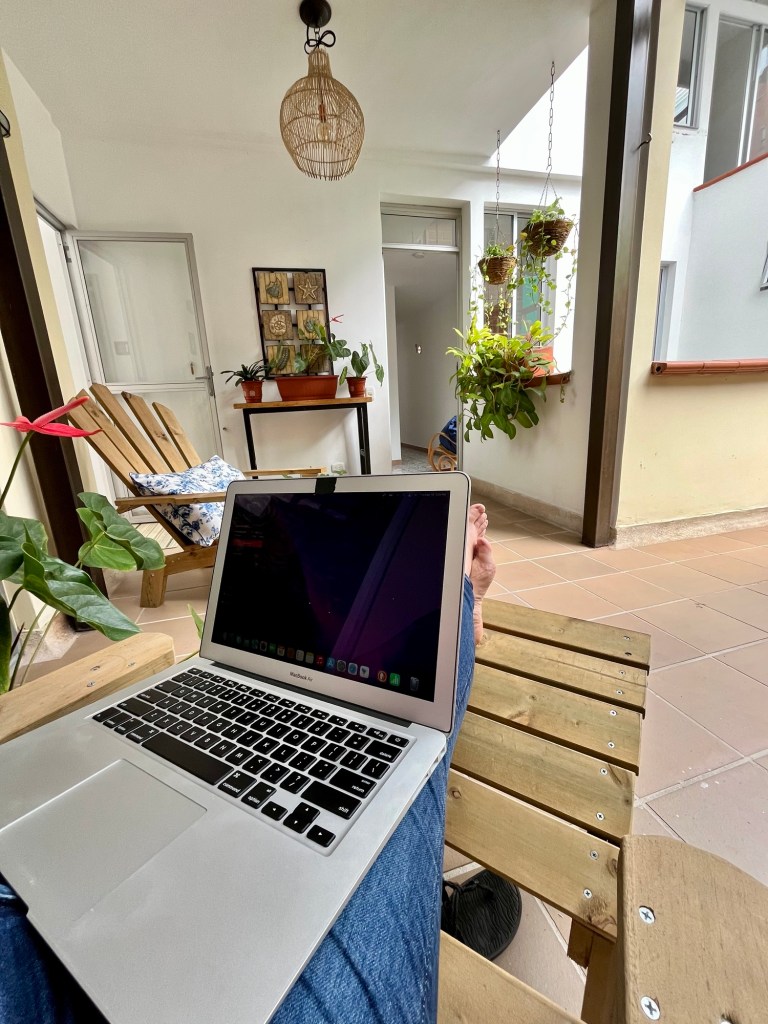
I spent my first nine days in Colombia in Bogotá, and the guide I had for the Medellín walking tour put it into words perfectly: Bogotá is a beast of a city (over 8 million people), and it has a soul, but it takes time, patience, and willingness to discover it. I have mixed impressions of Bogotá – while I love big cities, I didn’t have time to find its soul. I am lucky to have friends who welcomed me, making it less nerve-wracking to navigate. I learned from them where to go and how to get around: always Uber, never flag a taxi, always sit in the front of an Uber Ya (the cheapest Uber option), you can sit in the back of an Uber Comfort. Keep your valuables close to your person, don’t use your phone on the streets – it was overwhelming to say the least. It triggered my anxiety even though I am generally comfortable traveling alone and in big cities.
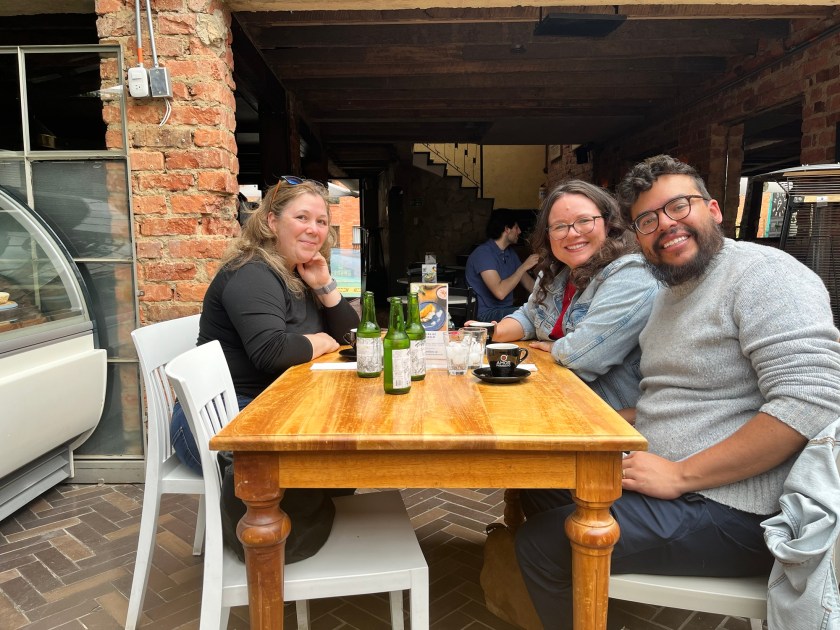
My accommodation was in a secure area, in a secure building, but all these warnings swirling around made my explorations a lot more cautious. Despite this, I saw wonderful things in Bogotá and I’m excited to go back to close out my Colombian adventure.
All the museums
Among the highlights are the Botero museum, where you can see not only the largest collection of his works, but also Botero’s private collection donated by the artist. And it’s free. You can spend hours enjoying wonderful art, and indeed I did.


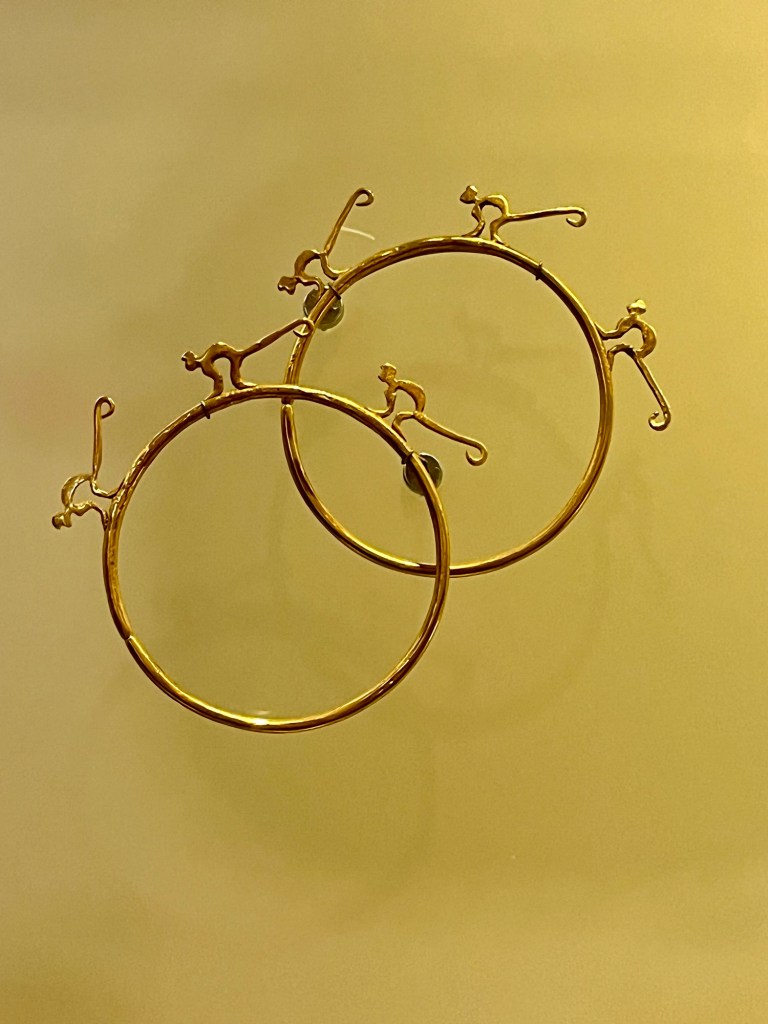
The Museo del Oro is another must, where you get to learn as much history as you get to learn about gold. Entrance to the museum is 5,000 Colombian pesos, which is about $1.75 Canadian dollars. I am loving that art and learning about history are so affordable!



The misses…
I had some difficulty choosing my own food in Bogotá. I am mystified by these giant avocados that look nothing like the ones I’m used to. The first one I cut open tasted like bitter rubber. I was not impressed and chalked it up to user error in picking them. In Cartagena I learned that the best thing to do is to buy them from street vendors or fruit & vegetable stalls and ask for avocados that are ready to eat. As I said, user error…
The next disappointment came in the form of arepas (a type of food made out of corn) – no matter which I picked, they were all sweet. I learned wayyy later that the type of corn makes all the difference… And finally, I misfired on picking cheese! Fed up with my misses, I went to a market, found the cheese shop and talked to the cheese guy. He helped me pick a delicious local cheese called Paipa and most was righted with my breakfasts (I gave up on the avocados and the arepas).

Giant rubber avocado
… the hits…
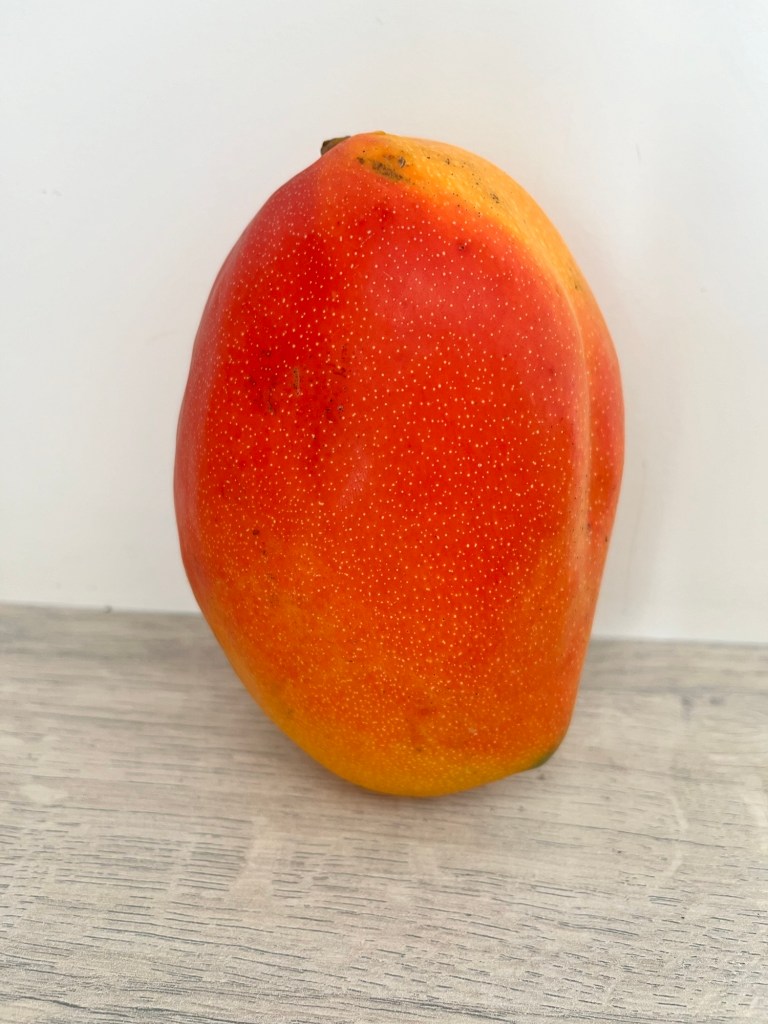
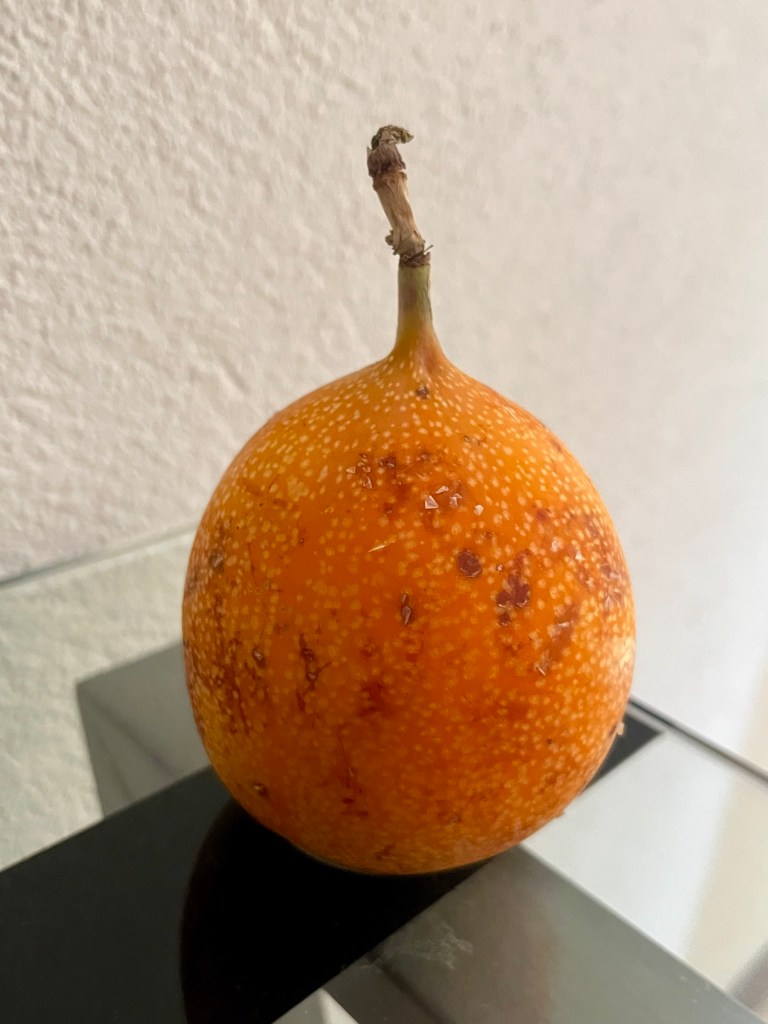
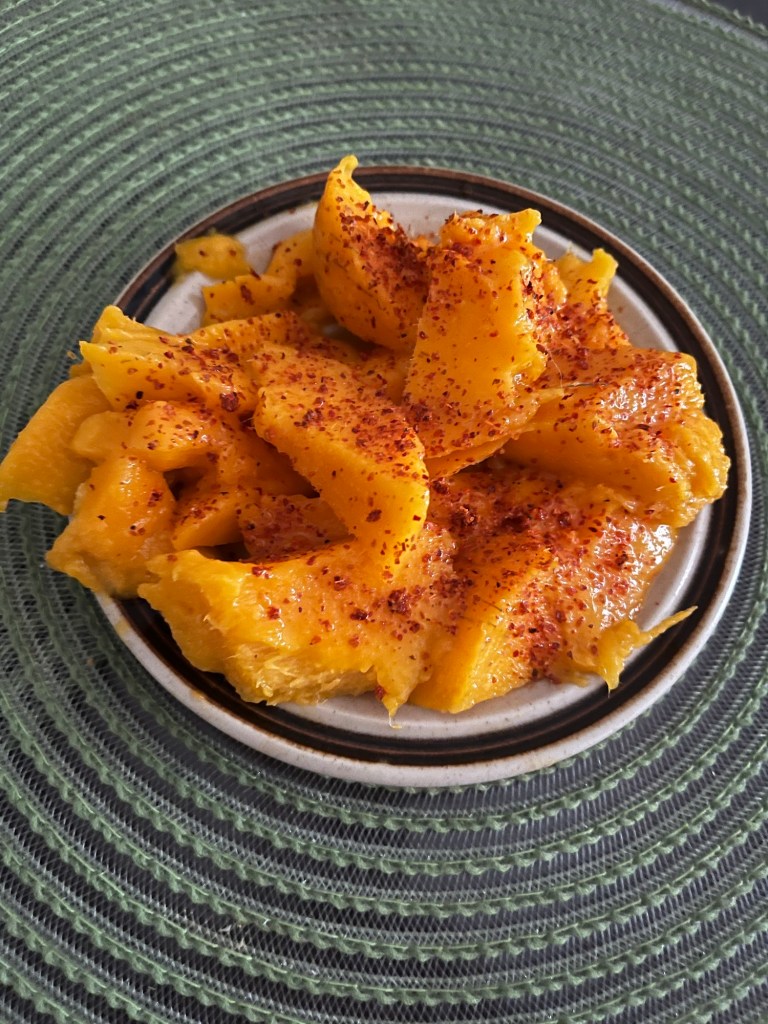
Determined to eat well in Colombia and Bogotá, I set out in search for typical food that would also please my palate. I regaled in a giant bowl of ajiaco, a typical soup in Bogotá that is made of chicken and potatoes (plus about 17 other ingredients). Served with sour cream and giant capers, I have to say it was my favourite, even though I was sweating in the 25 degree weather eating with the lunch crowd at the La Perseverancia market. I also had good luck with fruit, particularly these beautiful mangoes that I hadn’t seen before, and lulo, a typical, tart fruit. I was fortunate that my friends in Bogotá showed me a few gluten-free spots and I am equally impressed with the gluten-free finds in Medellín.
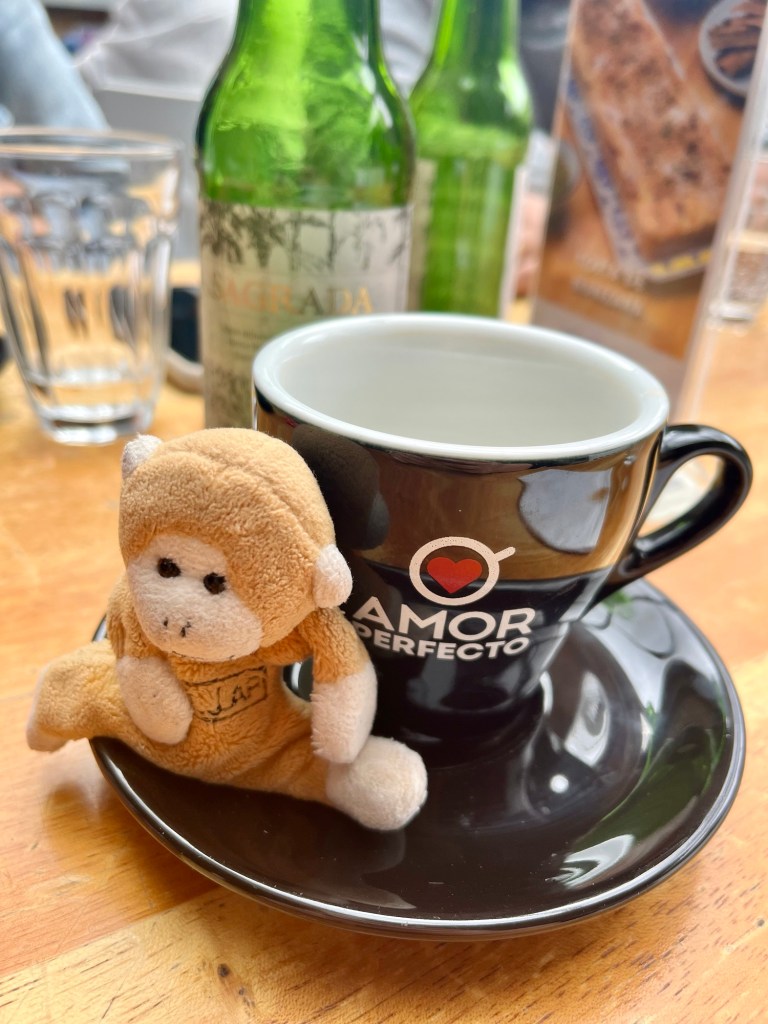
Although I don’t normally drink coffee, it would be a pity not to partake here, in the land of coffee. So I do, once in a while, indulge in this delicious nectar of the gods. I quickly learned that café means coffee with milk, and tinto is a plain black coffee (an Americano). The methods of preparation are as dizzying as the options for bean origin – I am no expert, but I can say that I haven’t had a bad coffee in Colombia.
… and the in-betweens
The aguapanela con queso. This is a hot drink made of sugar cane juice, served with a hunk of cheese. You drink enough of the aguapanela to make room for the cheese, which you tear up in pieces and drop in the drink. You then eat the somewhat melted cheese with a spoon. The resulting mix is exactly what you imagine: melty cheese in a very sweet liquid. I honestly don’t know where to stand on aguapanela. Our incredible tour guide for the day trip to Zipaquirá and Guatavita (more on those below) convinced two of us to try this delicacy. She also tried to convince us of the deliciousness of another delicacy, hot chocolate and cheese (same concept, you drop the cheese into the hot chocolate and eat the melty cheese). Between the two, I am glad I got to try only the aguapanela. Is it the weirdest thing I’ve ever tried? Ehh… it’s definitely in the top three. Will I try the hot chocolate and cheese concoction? Tough to say, I am as fascinated as a moth is by a flame. We all know how that ends.

Zipaquirá and Guatavita day trip
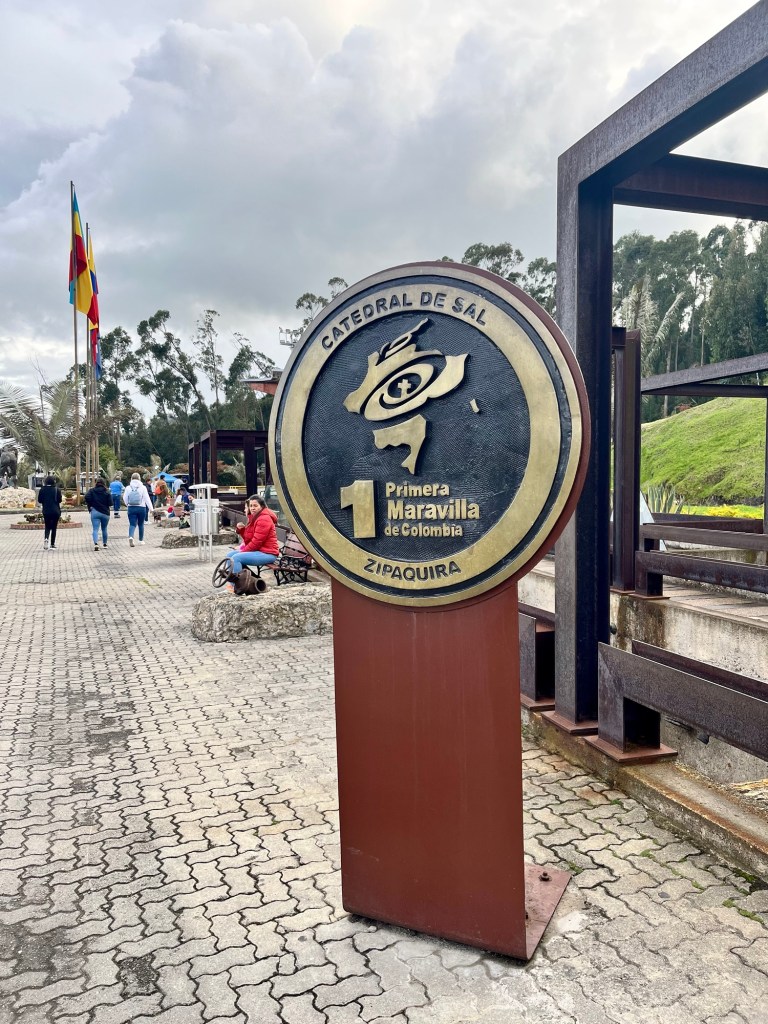
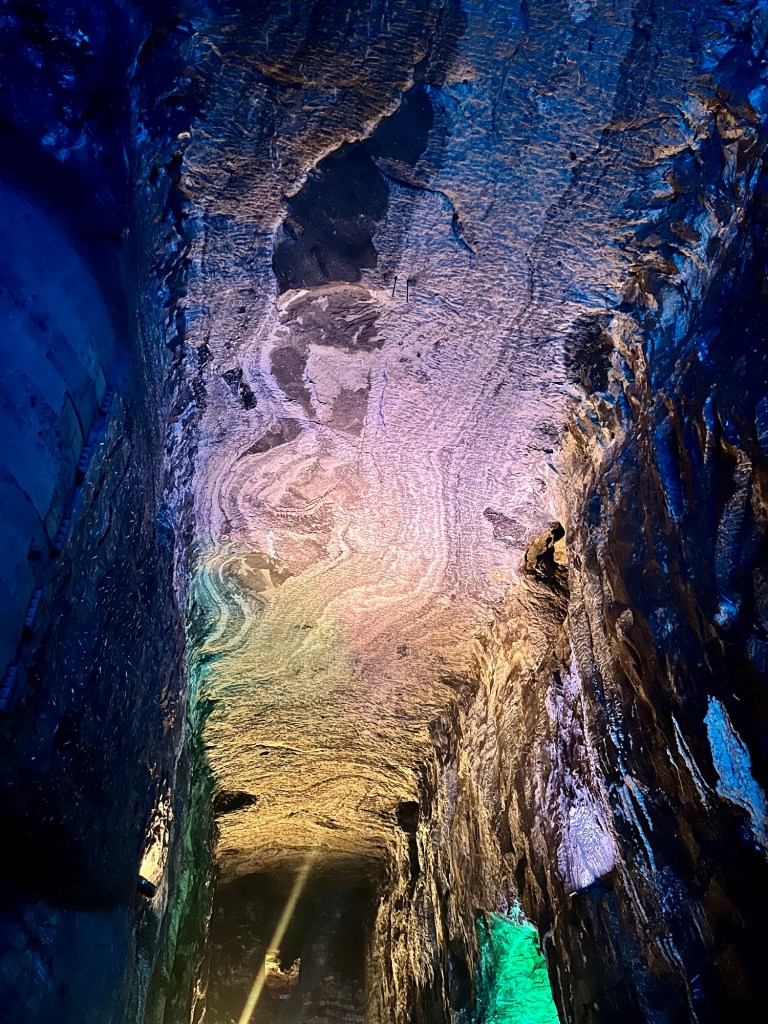
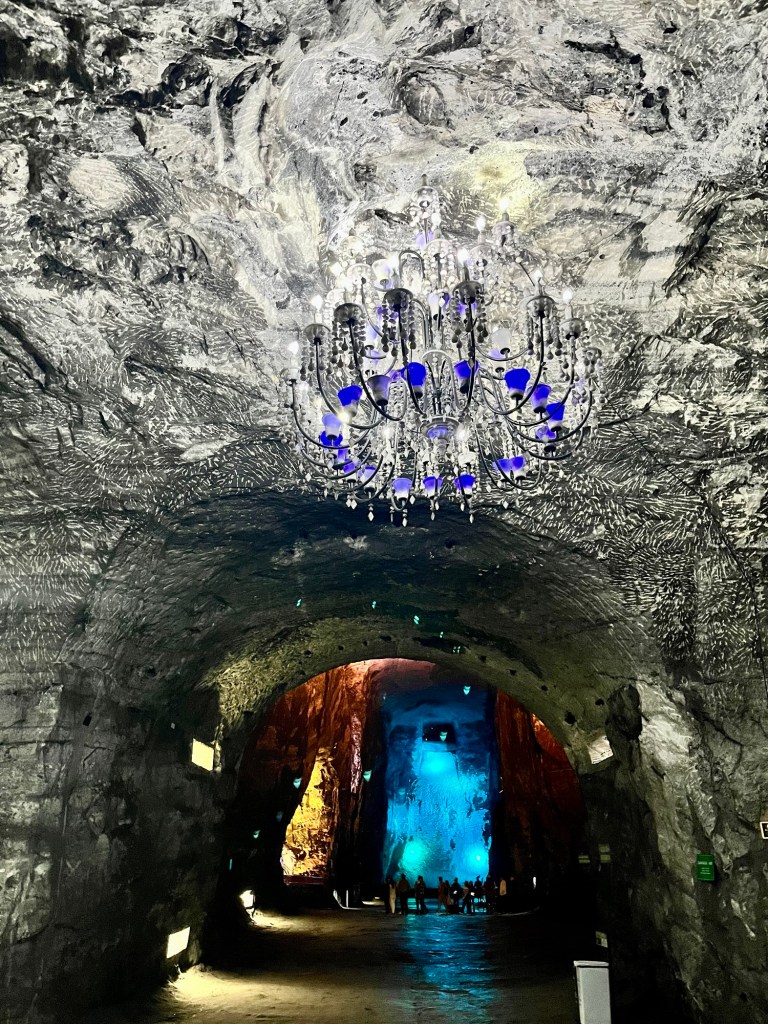
On my must-see-in-Bogotá list were these two attractions, which are technically not in Bogotá. Zipaquirá boasts the title of the “first wonder of Colombia”. It is an impressive underground cathedral built in a salt mine. The size of it all is quite grand and the work that went into it is undeniable.
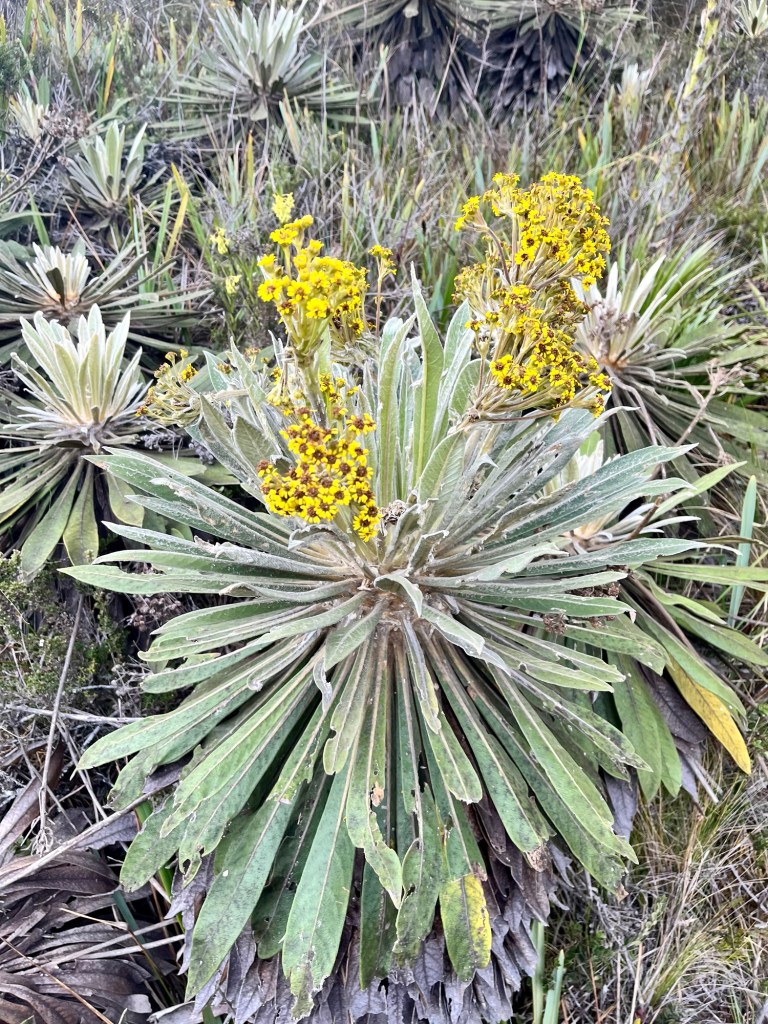
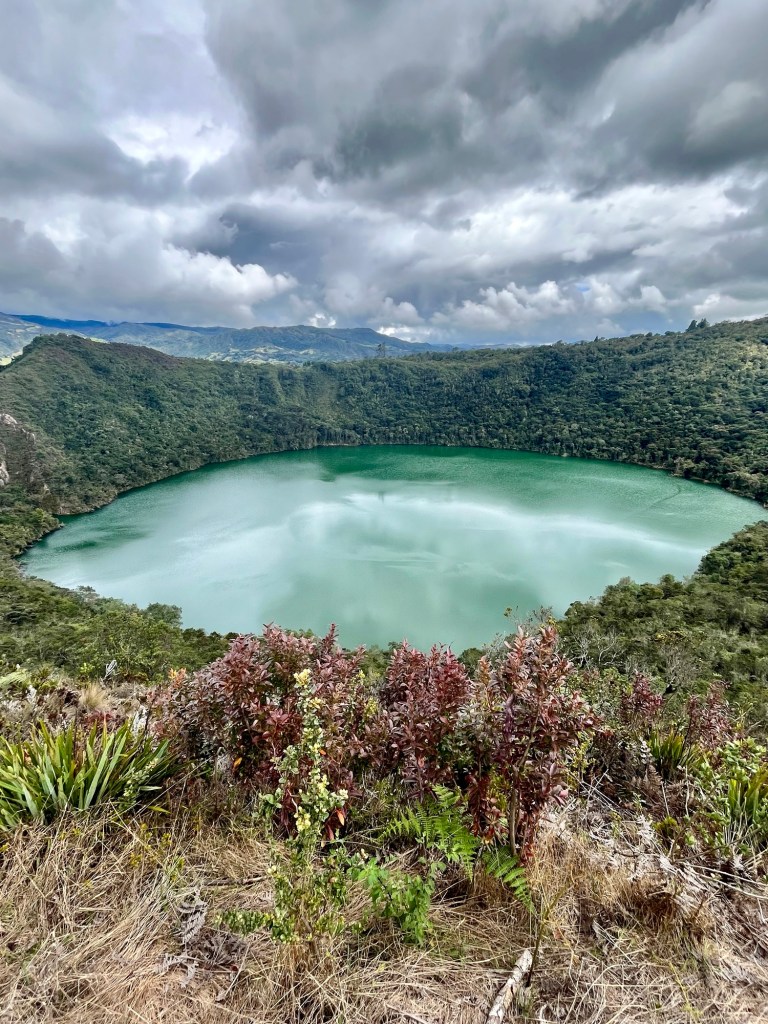
However, Guatavita stole my heart. It is the site of the sacred lagoon of the Muisca people and where the legend of El Dorado originated. Ascending from 2,600 to about 3,ooo meters was challenging (altitude definitely affects me) but we took our time and stopped to catch our breath, take in the incredible views, and learn about the local flora from a wonderful guide.
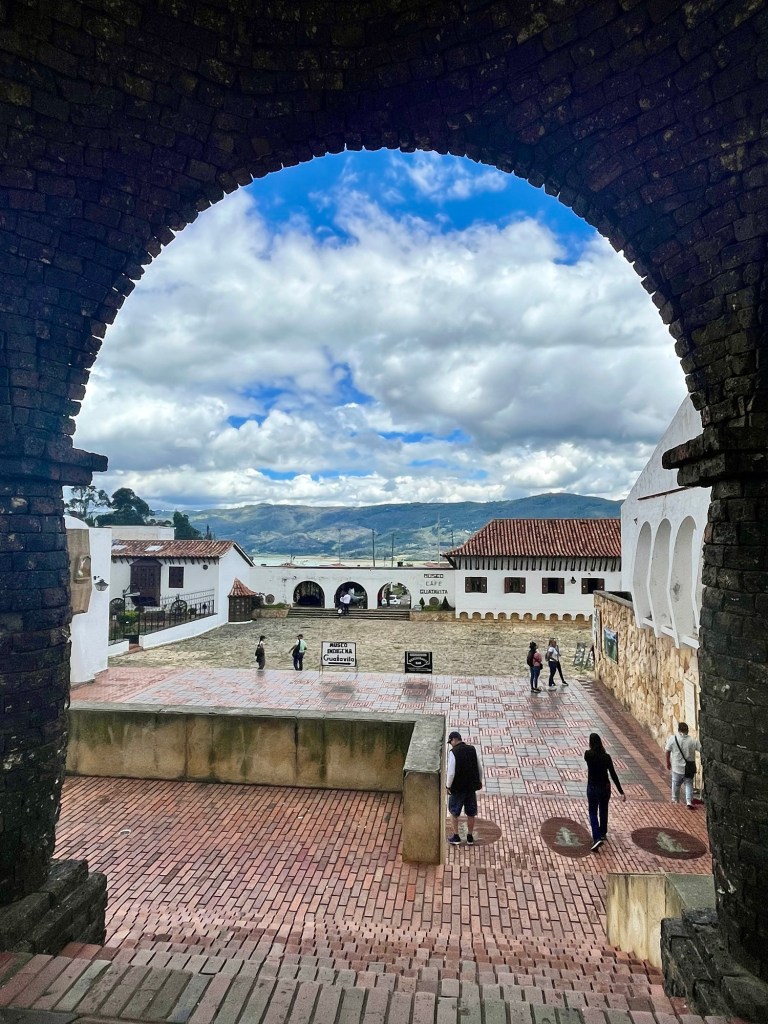

We learned about some Muisca teachings and wisdoms and I spent a lot of time reflecting about the similarities with Anishinaabe teachings and wisdoms I have learned about as I lived on traditional, unceded Anishinaabe lands for the last 13 years. Colombia, like Canada, was colonized in the 16th century. Colombia, like Canada, has a complicated history with its Indigenous peoples. Colombia, unlike Canada, has built more bridges towards a shared future. I am glad to have seen Indigenous representation in Colombia in the arts, history, and places I have visited. Through conversations with wonderful people I met during my travels, I learned that the Colombian government has given (some) land back to Indigenous peoples and groups. It makes me hopeful that Canada could do the same. It makes me conscious that we need to keep fighting for this.
Social reflections
Back to Medellín, where I am writing this post from. It is a city of transformation, of resilience, of a traumatic past and a hopeful future. The paisas (the region’s dwellers) take great pride in how their city came through some horrendous events. Investments in public infrastructure and services such as libraries and shelters provided alternatives and glimpses of a brighter future. The city’s metro system is a great source of pride. But the economic crisis that followed the global pandemic of 2020 put a pause on these great strides. Safety, expressed through increased police presence amongst other things, currently takes priority over social services. These challenges are not unique to Medellín or Colombia, and I can’t help but draw parallels to the city I spent the last 13 years living in, Ottawa. The struggles with addiction, homelessness, and lack of social services are challenges that we all face. We know marginalization is harmful, yet it’s easy to throw blame around for who’s responsible for it; we throw our hands up in the air at the complexity of “fixing it”.
Public infrastructure and social services save lives.

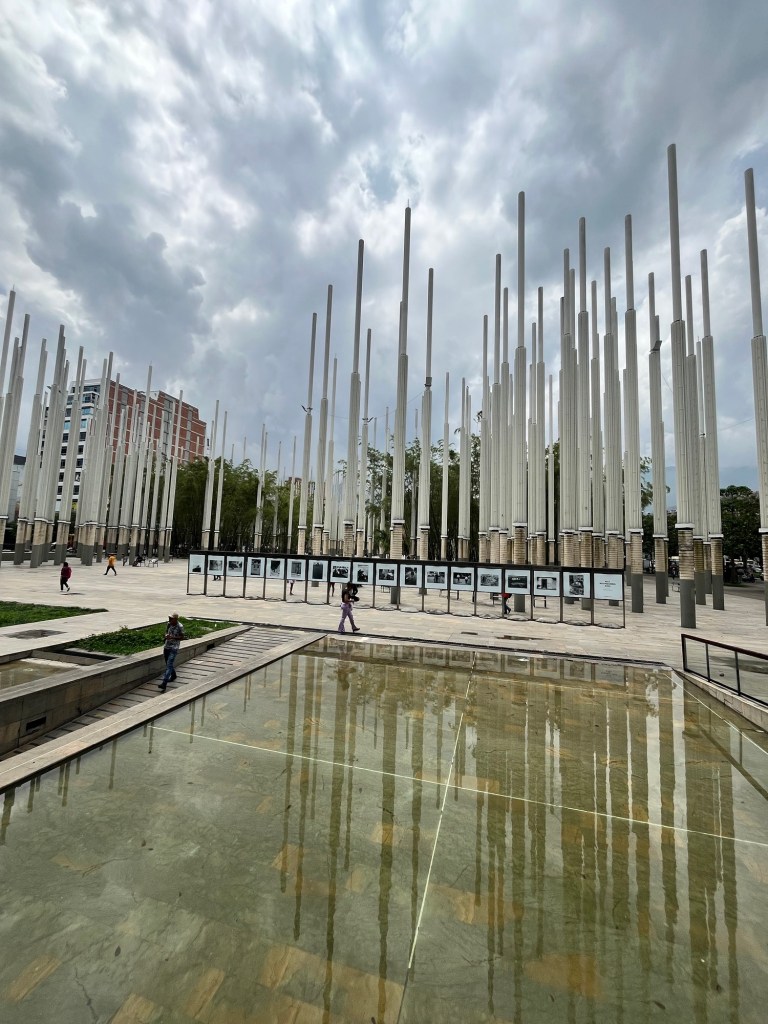
The EPM public library in downtown Medellín faces Parque de las Luces (the Park of Lights). This is one of the projects designed to revitalize an area of the city. What can we learn from projects like these? How can we build thriving communities where opportunities are plenty for all, not just for some? How do we minimize inequality and stop turning a blind eye to our fellow neighbours? I don’t have a solution, but I know for sure that if not us, then who?
Medellín is a vibrant city, one that I would gladly spend months in and discover layer by layer. In my very short time here I already fallen in love with it and I expect that you will too, when you add it to your travel destinations.
This post is already quite long so Cartagena will get its own post. For now, I am enjoying the much cooler, if somewhat temperamental climate of the City of Eternal Spring.






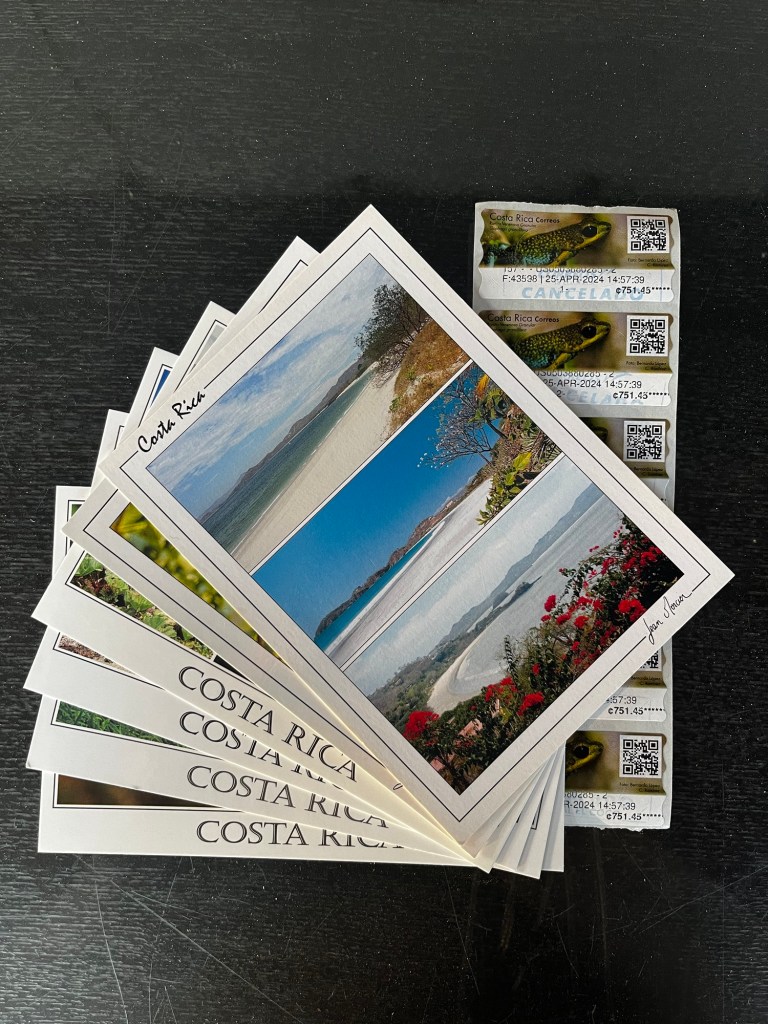

 Postcards and shenanigans